

Juice
The Uncensored History of Popular Liquors: From Ancient Brews to Modern Mixology
The Fascinating History of Popular Liquors: A Journey Through Time and Taste
The history of popular liquors is far more than a timeline of fermentation and distillation; it is a mirror reflecting the evolution of human civilization itself. For thousands of years, humanity has been captivated by the alchemy of turning simple grains, fruits, and starches into “the water of life.” From ancient monarchs sipping robust wines out of golden chalices to modern connoisseurs analyzing the complex notes of a barrel-aged whiskey, spirits have fueled trade, inspired artists, ignited revolutions, and served as the centerpiece for human celebration.
To understand the history of popular liquors is to embark on a global expedition. It is a story of geographical discovery, scientific innovation, and cultural synthesis. Every glass poured today carries the echoes of ancient agricultural practices, medieval monastic experiments, and bold maritime adventures. By tracing the lineage of the world’s most beloved alcoholic beverages, we not only deepen our appreciation for every sip we take, but we also begin to understand the timeless rituals that surround the art of drinking.
In this comprehensive guide, we will journey across continents and centuries to explore the origins of the world’s most famous spirits and wines. Later, we will explore how this rich heritage continues to shape the way we present and savor these legendary drinks today.
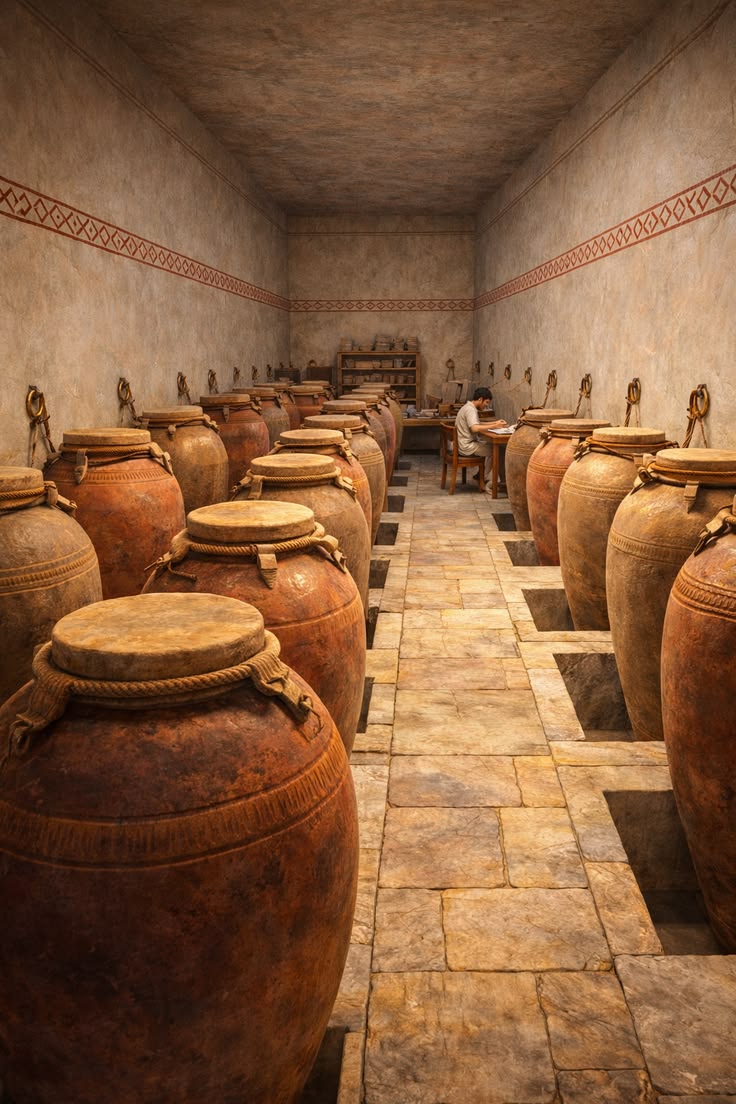 The history of popular liquors spans across the globe, telling a story of human civilization
Uncorking the Past: The Global History of Popular Liquors
To truly appreciate the complex liquid in your glass, we must travel back in time. The narrative of alcohol is a tapestry woven from the traditions of diverse cultures. Let us explore the origins and evolution of the beverages that have shaped our world.
Wine: The Ancient Nectar of the Gods
Wine is undoubtedly one of the oldest alcoholic beverages known to humankind, predating written history. The earliest definitive archaeological evidence of winemaking dates back to around 6000 BC in the Caucasus region, specifically in what is modern-day Georgia. Here, ancient peoples fermented wild grapes in large clay vessels called qvevri, which were buried underground to maintain a consistent temperature—a practice still used by some Georgian winemakers today.
From the Caucasus, viticulture spread to the Balkans, the Middle East, and eventually into the heart of the Mediterranean basin. The Ancient Greeks and Romans elevated winemaking from a mere agricultural necessity to a cornerstone of their respective civilizations. They worshipped gods of wine—Dionysus in Greece and Bacchus in Rome—and considered the beverage an essential part of daily life, diet, philosophy, and religious ceremony. As the Roman Empire expanded its borders, so did its vineyards, establishing the roots of famous modern-day wine regions like Bordeaux, Burgundy, and the Rhine Valley.
Following the fall of Rome, during the Middle Ages, the Catholic Church became the primary custodian of winemaking knowledge in Europe. Monks in isolated monasteries meticulously tended to vineyards for the production of sacramental wine, inadvertently refining fermentation techniques and documenting the concept of terroir—the idea that the local environment deeply affects the flavor of the grape. Today, wine remains a global phenomenon, carrying a legacy of thousands of years in every vintage.
Whiskey and Whisky: Scotland and Ireland’s Water of Life
The word “whiskey” (or “whisky,” depending on its geographical origin) is derived from the classical Gaelic phrase uisce beatha, which directly translates to “water of life.” The distillation of whiskey began in the misty landscapes of Scotland and Ireland. While the two nations playfully argue over who distilled it first, the first written record of Scotch whisky appears in the Exchequer Rolls of Scotland in 1494, where Friar John Cor was granted “eight bolls of malt” to make aquavitae.
Early whiskey was largely unaged, clear, and likely quite harsh compared to the smooth, sophisticated spirits we enjoy today. It was initially consumed for medicinal purposes, believed to cure ailments ranging from smallpox to the common cold, and to provide warmth during harsh winters. Over the centuries, distillers made a happy accident: they discovered that storing and transporting the spirit in wooden oak barrels smoothed out its rough edges, imparting rich golden colors and complex, comforting flavors of vanilla, caramel, and baking spices.
When Scottish and Irish immigrants crossed the Atlantic to the Americas, they brought their cherished distilling knowledge with them. However, they found that barley was difficult to grow in certain regions, forcing them to adapt to local, abundant crops. This led to the creation of Bourbon (made primarily from corn) in Kentucky and Rye whiskey in Pennsylvania and Maryland.
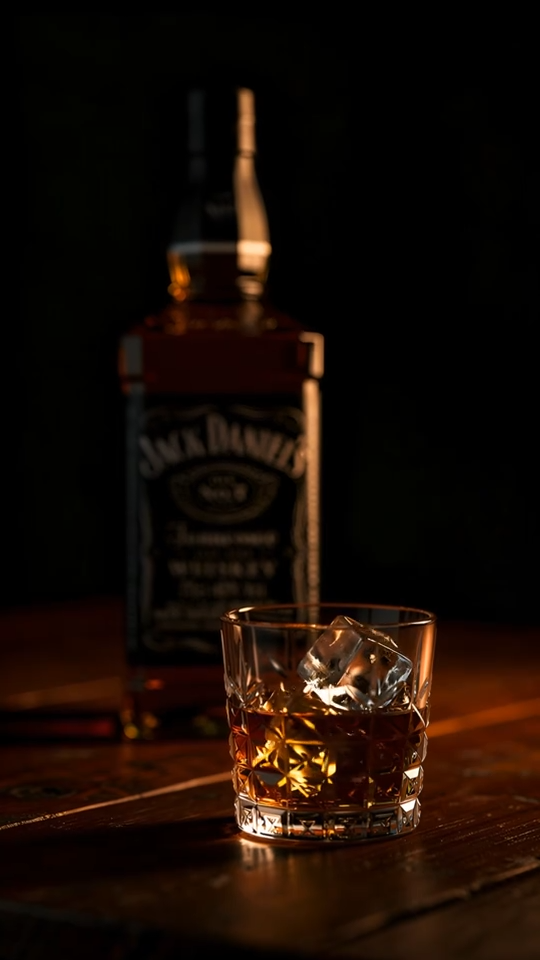 A vintage setup featuring Bourbon whiskey and a crystal glass resting on old books, evoking its ancient origins
Click here for more information: Link
Vodka: The Pure Spirit of Eastern Europe
The history of vodka is a subject of passionate and enduring debate between Russia and Poland, with both nations fiercely claiming to have invented the clear, potent spirit. The word “vodka” comes from the Slavic word voda, meaning “water.” The addition of the “k” creates a diminutive form, essentially translating the beloved spirit to “little water.”
Early iterations of vodka, appearing around the 8th and 9th centuries, were drastically different from the modern, highly refined spirit. They were relatively low in alcohol and were often used as herbal medicines, topical cleansers, or even cosmetics. By the 14th century, as distillation technology advanced, vodka transitioned into a popular recreational drink. Originally distilled from whatever starch was most readily available—often potatoes, rye, or wheat—vodka became heavily integrated into the culture, harsh winters, and economies of Eastern Europe.
The turning point for modern vodka occurred in the 19th century with the introduction of charcoal filtration. This process revolutionized production, stripping away impurities to create the exceptionally pure, neutral spirit we recognize today. Vodka’s popularity exploded on a global scale in the mid-20th century, particularly in the United States, where its mixability made it the versatile backbone of the impending cocktail renaissance.
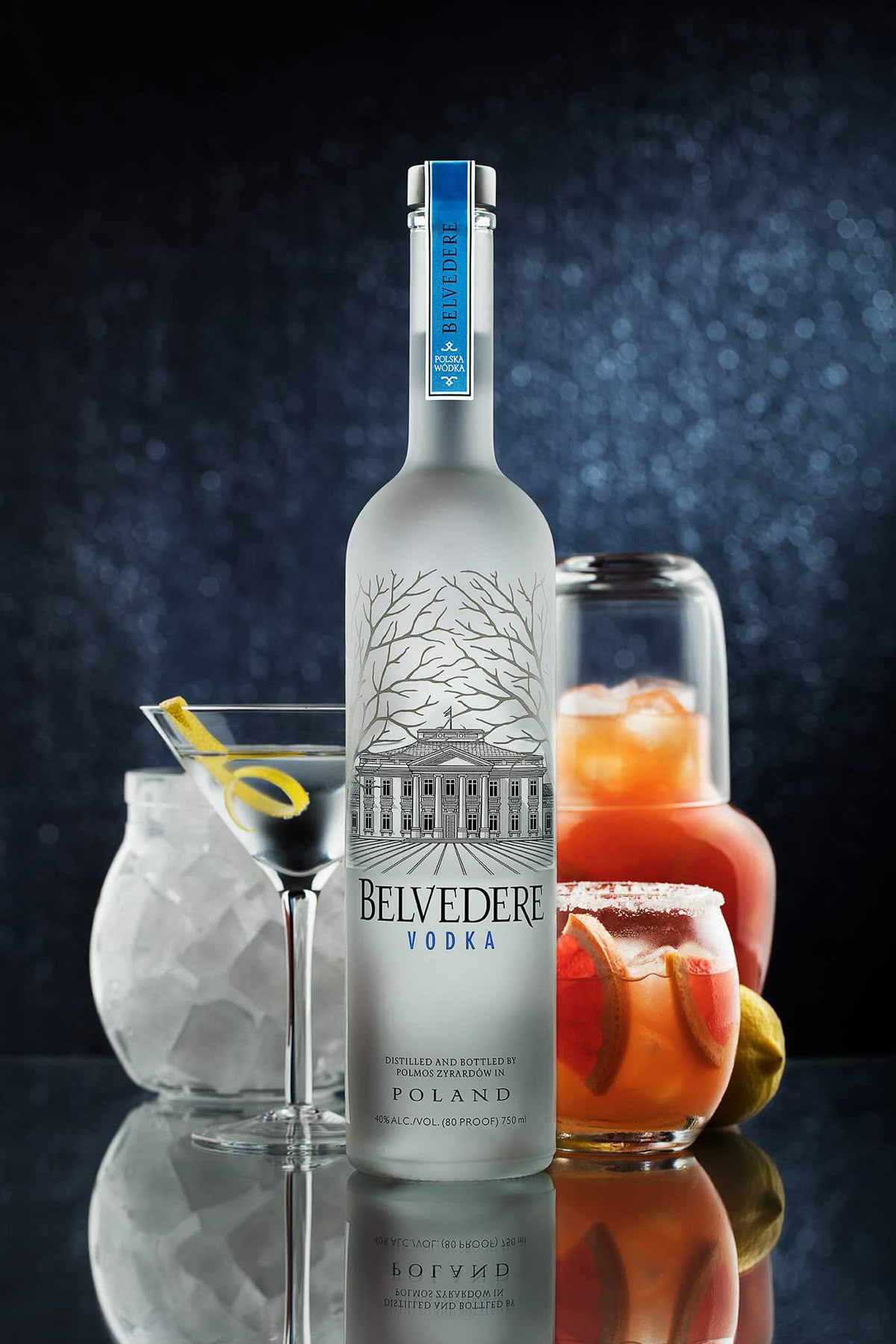 Crystal clear vodka poured into a chilled shot glass, evoking the rich history of this classic Slavic spirit
Click here for more information: Link
Rum: Sugarcane, Sailors, and the Tropics
No exploration into the history of popular liquors is complete without acknowledging the tumultuous and deeply historical origins of rum. Born in the Caribbean in the 17th century, rum is intrinsically tied to the booming, colonial-era sugar industry. Enslaved people working on massive sugarcane plantations discovered that molasses—a sticky, dark, and thick byproduct of the sugar refining process—could be successfully fermented into alcohol.
These early iterations were incredibly harsh, fiery, and unrefined, earning the famous and fitting nickname “kill-devil.” However, as European distillation techniques were applied to the fermented molasses, the spirit became smoother and immensely popular. Rum quickly became a vital, liquid currency in the maritime world. The British Royal Navy famously provided its sailors with a daily ration of rum (known as a “tot”) starting in 1655, a tradition that astonishingly lasted all the way until Black Tot Day in 1970.
Furthermore, rum fueled the infamous “Golden Age of Piracy,” becoming the legendary drink of choice for buccaneers and privateers roaming the Caribbean seas. Today, rum is celebrated for its incredible diversity, ranging from light, mixable white rums perfect for Mojitos, to deep, complex, barrel-aged dark rums that rival the finest cognacs.
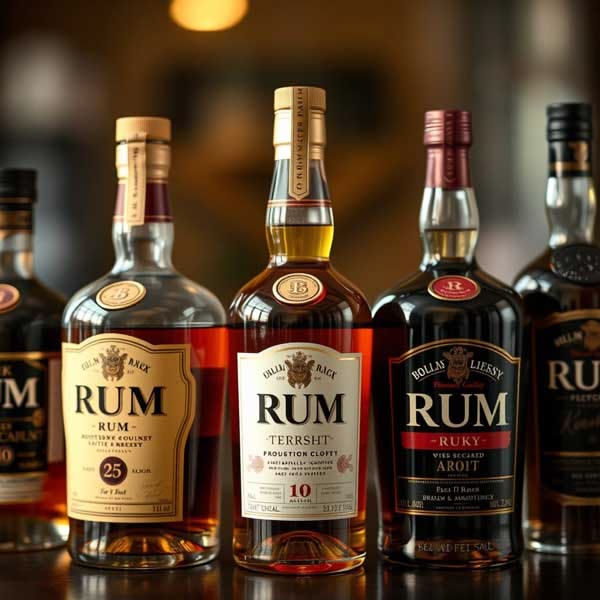 A wooden barrel and a glass of rich amber rum surrounded by raw sugarcane, reflecting its deep maritime history
Click here for more information: Link
Tequila: Mexico’s Agave Masterpiece
Tequila is a spirit with profound indigenous roots that stretch back long before European contact. Before the Spanish conquistadors arrived in Mexico, the Aztec people fermented the sweet sap of the agave plant to create a milky, slightly sour, and nutrient-rich beverage called pulque.
When the Spanish arrived in the 16th century, their supplies of European brandy eventually ran dry. Desperate for a familiar distilled spirit, they applied their knowledge of distillation to the fermented agave, creating one of North America’s first indigenous distilled spirits: mezcal. Tequila is a highly specific, geographically protected type of mezcal made exclusively from the Blue Weber agave plant, primarily in the volcanic soils of Jalisco, Mexico.
The Cuervo family was the first to commercially distill tequila in the late 18th century, soon followed by the Sauza family, who famously identified the Blue agave as the vastly superior plant for production. Today, tequila is strictly regulated by the Mexican government to protect its deep cultural heritage and premium quality.
Click here for more information: Link
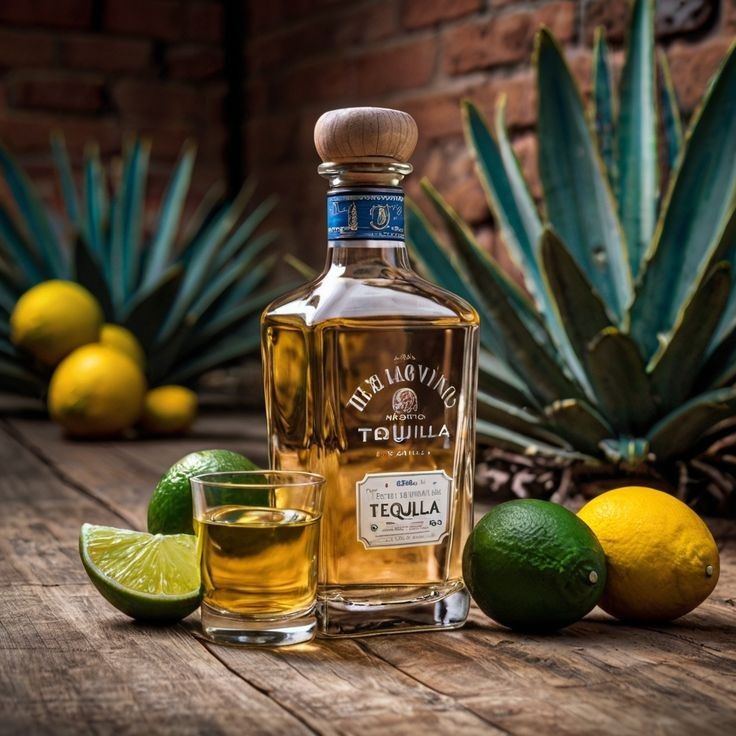 Golden reposado tequila in a glass with a lime wedge, evoking the rich history of Mexico’s blue agave masterpiece
Gin: From Dutch Medicine to London Craze
Gin traces its origins to the Netherlands in the 17th century, where it began its life as a medicinal liquor known as genever. Dr. Franciscus Sylvius is often credited with creating genever by distilling malt spirits with pungent juniper berries. The juniper was added both to mask the harsh, unrefined flavor of the early alcohol and to provide purported medicinal benefits, particularly for kidney and stomach ailments.
During the grueling Thirty Years’ War, British soldiers fighting alongside the Dutch noticed the extraordinary bravery of their allies, who habitually drank genever before charging into battle. This phenomenon gave birth to the famous idiom “Dutch Courage.” The British soldiers brought the spirit—and the taste for it—back to England, where it eventually evolved into the abbreviated “gin.”
In the early 18th century, the “Gin Craze” swept violently through London. Gin was incredibly cheap and easy to produce, leading to widespread overconsumption and severe social decay among the working classes, a period famously and darkly depicted in William Hogarth’s cautionary print Gin Lane. Eventually, strict government regulations and heavy taxation stabilized the industry. This regulation led to the refinement of the distillation process and the creation of the crisp, dry style known as London Dry Gin.
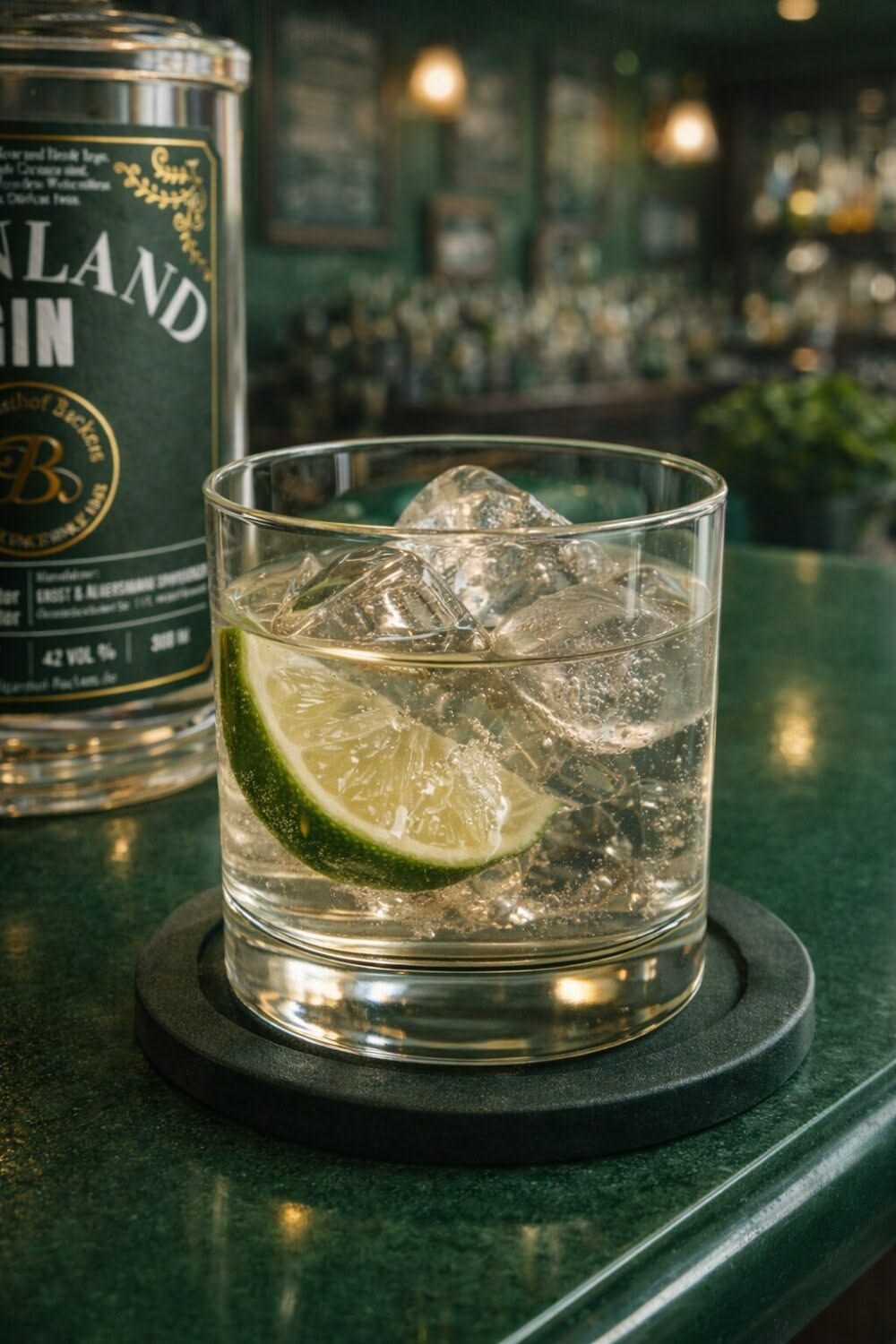 A glass of botanical gin with juniper berries, illustrating the British and Dutch origins in the history of popular liquors.
The Evolution of the Drinking Ritual
As humanity perfected the art of distillation and fermentation over the centuries, the way we consumed these beverages naturally evolved alongside them. The vessel holding the drink became just as important as the drink itself.
In ancient times, wine was stored in massive clay amphorae and poured into simple wooden or metal goblets. However, as glassmaking technology advanced during the Roman Empire, and later in Venice during the Renaissance, the wealthy elite began demanding more elegant ways to present their fine wines and spirits.
It was quickly discovered that transferring a liquid from its original storage barrel or dark bottle into a beautiful, clear glass vessel served multiple purposes. First, it allowed drinkers to admire the visual clarity and rich colors of the liquid—a sign of purity and quality. Second, and more importantly for wine, it allowed the liquid to “breathe,” exposing it to oxygen and releasing the complex aromas that had been trapped during storage. This practice marked the birth of the decanting ritual, transforming drinking from a mere act of consumption into an aesthetic and sensory experience.
Continuing the Tradition: Elevating Your Experience with Unique Wine Decanters
Today, we no longer drink to cure ailments or to survive long sea voyages; we drink to savor, to celebrate, and to connect with the rich history detailed above. If you are pouring a spirit that carries hundreds of years of craftsmanship, serving it straight from a commercial bottle diminishes the magic of the experience.
This is where the modern connoisseur bridges the gap between historical tradition and contemporary elegance. By utilizing carefully crafted glass vessels, you honor the legacy of the liquid while simultaneously enhancing its flavor profile.
If you are looking to elevate your home tasting experience and continue this centuries-old tradition, the curated collection of unique wine decanters at Halira Store offers the perfect synthesis of art and function.
 New product at Halira Store: Grey Goose 30th Anniversary 1996-2026 Vodka Decanter
Discovering Halira Store’s Exquisite Glassware
 New product at Halira Store: The Leviathan Black Spiced Sea Serpent Decanter
For the Wine Enthusiast: When you open a vintage red wine, it needs room to awaken. Halira Store features unique wine decanters with sweeping, wide bases and elegant, elongated necks. These geometric and minimalist designs maximize the surface area exposed to oxygen. This crucial aeration process softens harsh tannins and allows the intricate bouquet of the wine to fully blossom before it even reaches your glass.
For the Whiskey and Cognac Aficionado: High-proof spirits like Scotch, Bourbon, and Cognac do not require heavy oxidation, but they demand respect. Halira Store offers heavy-bottomed, brilliantly clear crystal decanters with airtight glass stoppers. These sturdy, luxurious vessels prevent your precious spirits from evaporating while beautifully showcasing their rich amber and mahogany hues.

For the Modern Mixologist: If your home bar leans towards the contemporary, you will find incredibly unique, asymmetrical, and gravity-defying decanter designs at Halira Store that act as functional modern art. They are guaranteed conversation starters that make the ritual of pouring a drink unforgettable.
Internal Link: Bring the elegance of history into your home. Explore the full range of unique designs and artisan flasks at Halira Store today.
Conclusion: A Toast to Time
The history of popular liquors is a testament to human ingenuity, resilience, and our universal desire for connection. From the ancient, buried clay pots of Georgia to the misty, romantic distilleries of the Scottish Highlands, every drop of wine and spirit carries a story that is centuries in the making.
By taking the time to learn these historical roots, we learn to treat our beverages with the deep respect they command. There is no better way to honor this incredible legacy than by partaking in the time-honored ritual of beautiful presentation. Do not let history sit hidden in a standard bottle. Transform your home bar, honor the craft of the distillers, and impress your guests by investing in the art of decanting. Visit the Halira Store to find the perfect vessel for your favorite spirit, and pour yourself a glass of history.
